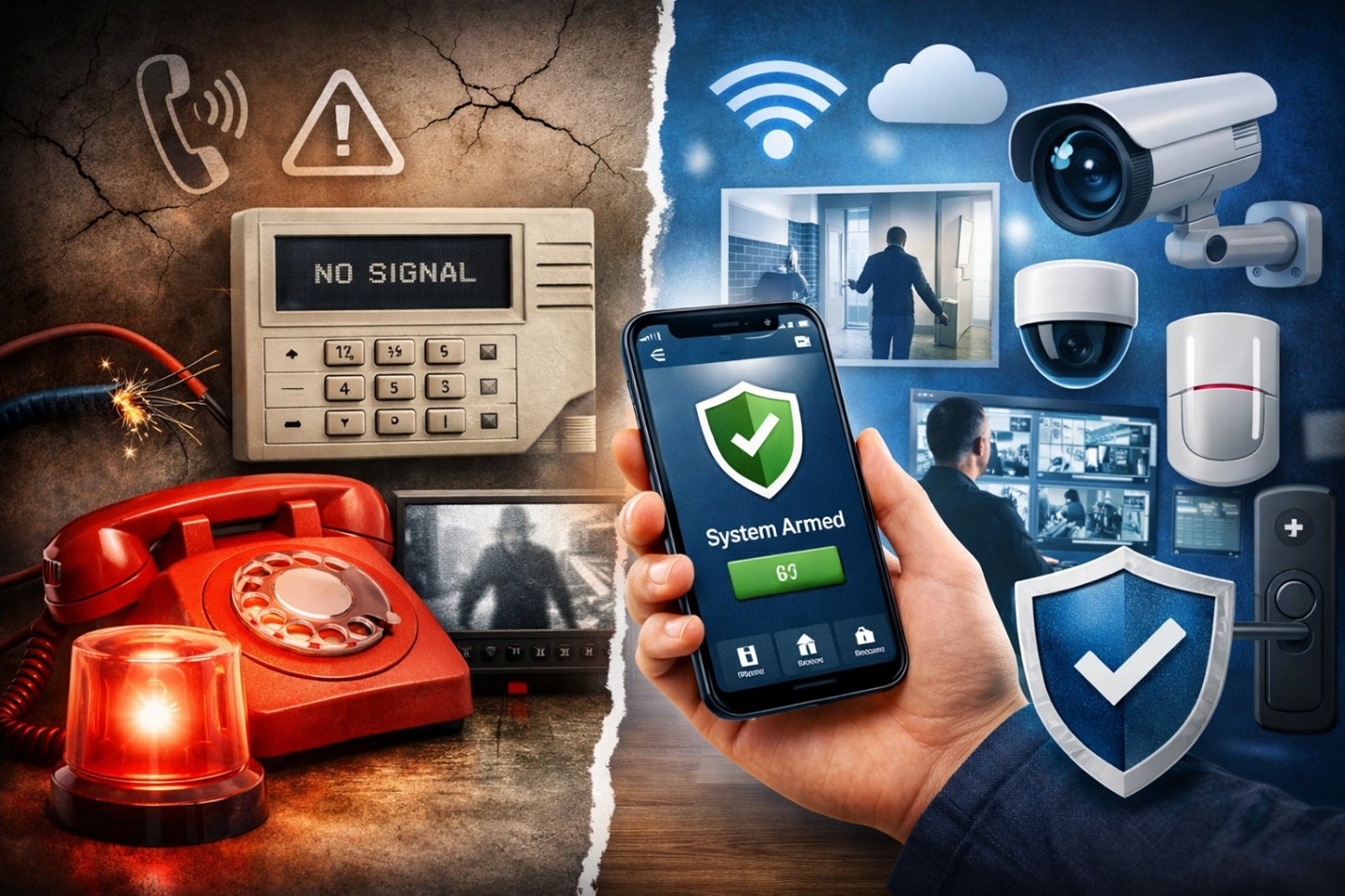
Alarm systems have been around for decades, but not all of them keep up with today’s security demands. Many homes and businesses still rely on outdated setups that were once reliable but now struggle to keep pace with modern risks.
If you are depending on an older system, it is worth understanding where things can go wrong and how newer solutions fix those gaps.
Right from the start, it is important to see how alarm monitoring services have evolved. What used to be basic alert systems have now become fully connected, real-time security networks that respond faster and more accurately.
The Problem with Older Alarm Systems
Older alarm systems were built for a different time. They focused on simple detection and loud alerts. That worked in the past, but today’s threats and expectations are very different.
1. Limited Communication Capabilities
Many older systems rely on landlines. If that line is cut or disrupted, the system cannot send alerts. This creates a serious vulnerability.
Modern systems, on the other hand, use cellular networks, internet connections, and backup communication methods. Even if one channel fails, alerts still go through.
2. Delayed Response Times
Older setups often depend on a single signal reaching a monitoring center. If there is a delay or failure, response time suffers.
With 24/7 alarm monitoring services, alerts are transmitted instantly through multiple channels. This improves the chances of a faster reaction and reduces the risk of damage or loss.
3. Lack of Integration
Traditional alarm systems operate in isolation. They are not connected to cameras, access control, or smart devices. This means limited visibility and control.
Modern security systems bring everything together. Cameras, motion sensors, door controls, and mobile access all work in sync. You can monitor activity in real time and respond immediately.
4. Higher False Alarm Rates
Older systems are more likely to trigger false alarms due to outdated sensors or poor calibration. This can lead to unnecessary panic and even fines in some areas.
Newer systems use smarter detection technology. They can distinguish between real threats and harmless movement, reducing false alerts and improving reliability.
5. No Remote Access
With older systems, you often have to be physically present to arm or disarm the system. This limits flexibility, especially for business owners or frequent travelers.
Modern systems allow remote control through mobile apps. You can check alerts, view cameras, and manage security from anywhere.
How Modern Security System Companies Solve These Issues
Security companies today have redesigned alarm systems to match real-world needs. The focus is on speed, accuracy, and control.
Real-Time Monitoring and Faster Alerts
Modern systems are built around constant monitoring. With advanced alarm response services in St. Louis, alerts are handled immediately by trained professionals who can dispatch help without delay.
This reduces the gap between detection and response, which is often where older systems fail.
Smart Technology and Automation
New systems use intelligent sensors and automation. For example:
- Motion sensors that adjust sensitivity based on activity
- Smart cameras with live streaming and recording
- Automated alerts sent directly to your phone
This level of control was not possible with older systems.
Stronger Protection for Businesses
For commercial spaces, outdated systems can leave gaps in security coverage. Modern commercial burglar alarms in St. Louis provide better protection through layered security.
These systems monitor entry points, track movement, and integrate with surveillance to give a complete picture of what is happening on-site.
Backup Systems and Redundancy
Modern alarm systems are built with backup options. If one system fails, another takes over. This includes battery backups, cellular communication, and cloud-based monitoring.
This added reliability is a major step forward compared to older systems.
Better User Experience
Security should not feel complicated. Modern systems are designed with simple interfaces and easy controls.
Business owners and homeowners can manage everything from a single dashboard. This makes daily use more practical and reduces the chance of user error.
Why Upgrading Matters
An outdated alarm system can give a false sense of security. It may still function, but it does not offer the level of protection needed today.
Upgrading to a modern system means:
- Faster response during emergencies
- Better accuracy with fewer false alarms
- Full visibility and control from anywhere
- Stronger protection for both homes and businesses
Security risks have changed, and your system should reflect that reality.
Choosing the Right Security Partner
Not all systems are equal. Working with an experienced provider makes a noticeable difference. A trusted company will assess your needs, recommend the right setup, and provide ongoing support.
Look for providers that offer:
- 24/7 monitoring with trained professionals
- Quick response coordination
- Reliable backup systems
- Scalable solutions for growing businesses
- Clear communication and support
Work with Experts Who Understand Modern Security
Choosing the right provider makes all the difference. ACF Alarm offers reliable 24/7 alarm monitoring services designed for both residential and commercial needs.
Our team focuses on fast response, dependable systems, and practical solutions that fit real environments.
If you are ready to move beyond outdated technology, take the next step today.
Contact us to learn more about our services and find the right monitoring solution for your property.