How Fire Safety Audits Help Improve Fire Alarm Performance
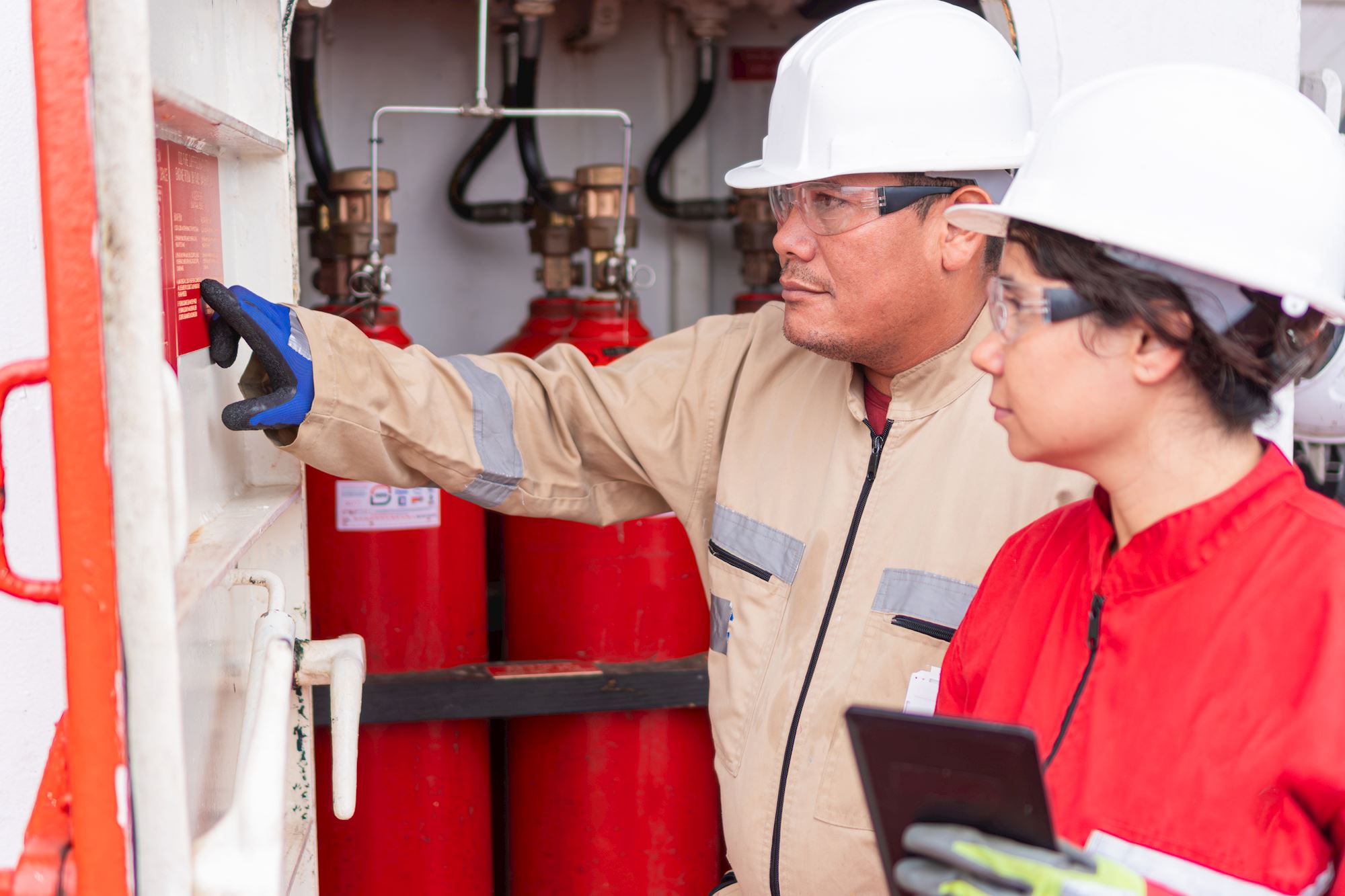
Fire alarm systems are a critical part of any commercial property's safety strategy. They provide early detection of potential fire hazards and help alert building occupants quickly in an emergency. However, installing a fire alarm system is only the first step. Like any other safety equipment, it requires ongoing evaluation and maintenance to perform effectively. This is where fire safety audits become invaluable.
Businesses that rely on alarm service in St. Louis can benefit significantly from routine fire safety audits. These assessments help identify potential weaknesses, verify system functionality, and highlight areas where improvements may be needed. Combined with regular maintenance, audits play an important role in supporting reliable fire protection throughout a facility.
What Is a Fire Safety Audit?
A fire safety audit is a comprehensive review of a building's fire protection measures, emergency procedures, and alarm systems. The purpose is to evaluate how well the existing fire safety infrastructure protects the property and its occupants.
During an audit, trained professionals inspect key components such as:
- Commercial fire alarm systems
- Smoke detectors
- Heat detectors
- Fire alarm monitoring systems
- Emergency notification devices
- Fire sprinkler system connections
- Exit routes and evacuation plans
The findings help property owners understand the current condition of their fire protection systems and identify any issues that could affect performance.
Identifying Potential System Weaknesses
One of the most valuable aspects of a fire safety audit is its ability to uncover problems before they become serious.
Over time, fire alarm components can experience wear and tear. Sensors may collect dust, batteries may weaken, and wiring connections can deteriorate. In some cases, equipment may become outdated or fail to meet current safety requirements.
A fire safety audit helps identify:
- Faulty alarm devices
- Damaged wiring
- Communication issues between system components
- Aging equipment
- Areas with insufficient alarm coverage
Addressing these concerns early can help prevent unexpected failures during an emergency.
Improving Fire Alarm Reliability
The effectiveness of a fire alarm system depends on its ability to detect hazards and communicate alerts without delay. Even a minor malfunction can affect overall performance.
During an audit, technicians often test various system functions, including:
- Alarm activation
- Sensor responsiveness
- Signal transmission
- Monitoring connections
- Emergency notification equipment
These evaluations help verify that the system is operating as intended and that occupants will receive timely warnings if a fire occurs.
Reliable fire alarm monitoring systems are especially important for commercial properties that operate outside normal business hours. Audits help confirm that alarm signals can be transmitted correctly to monitoring centers when needed.
Supporting Compliance with Fire Safety Regulations
Fire codes and industry standards change over time as new technologies and safety practices emerge. What was compliant several years ago may no longer meet current requirements.
Fire safety audits help businesses stay informed about:
- Local fire code requirements
- Industry standards
- Inspection and testing obligations
- Documentation requirements
By identifying compliance gaps, audits help property owners take corrective action before issues result in violations or penalties.
For many businesses, maintaining compliance also demonstrates a commitment to employee and customer safety.
Reducing False Alarms
False alarms are more than just an inconvenience. Frequent false activations can disrupt operations, create confusion, and potentially lead occupants to take future alarms less seriously.
Several factors can contribute to false alarms, including:
- Improper detector placement
- Environmental conditions
- Dust accumulation
- Equipment malfunctions
- Programming errors
A fire safety audit examines these factors and helps identify corrective measures. Reducing nuisance alarms can improve confidence in the system while maintaining effective fire protection.
Evaluating Changes Within the Building
Commercial properties often undergo renovations, expansions, or layout modifications. New walls, storage areas, machinery, or office spaces can affect how a fire alarm system operates.
A fire safety audit helps determine if the existing system still provides adequate protection throughout the building.
Auditors may evaluate:
- Detector placement
- Alarm audibility
- Notification device coverage
- Accessibility of emergency exits
- Changes in fire risk levels
This assessment helps confirm that the fire alarm system remains aligned with the building's current configuration.
Strengthening Overall Fire Protection
Fire alarms are only one part of a complete fire protection strategy. A fire safety audit evaluates how the alarm system works alongside other safety measures.
This may include reviewing:
- Fire sprinkler systems
- Fire protection services
- Emergency lighting systems
- Evacuation procedures
- Employee fire safety training
Looking at the entire fire safety program helps create a more coordinated response during emergencies.
Supporting Long-Term Maintenance Planning
Fire safety audits also provide valuable information for long-term maintenance planning. Instead of waiting for equipment to fail, businesses can use audit findings to prioritize repairs, upgrades, and replacements.
This proactive approach can help:
- Extend equipment lifespan
- Improve system performance
- Reduce emergency repair costs
- Support consistent fire protection
Regular audits provide a clear picture of system health and help businesses make informed decisions about future maintenance needs.
Conclusion
Fire alarm systems play a vital role in protecting people, property, and business operations. However, their effectiveness depends on regular evaluation and ongoing attention. Fire safety audits provide a practical way to assess system performance, identify hidden issues, reduce false alarms, and support compliance with current safety standards.
By making fire safety audits a regular part of facility management, businesses can gain valuable insights into their fire protection systems and address potential concerns before they become larger problems. The result is a more dependable fire alarm system and a stronger overall approach to safety.
Protect Your Business with Professional Fire Alarm Services
A reliable fire alarm system starts with expert support. ACF Alarm provides comprehensive commercial alarm solutions, including inspections, monitoring, maintenance, and fire protection services for businesses throughout the St. Louis area. If you're looking to improve the performance of your fire alarm system, contact ACF Alarm today at 314-869-8500 to learn more about our commercial alarm services.