Wired vs Wireless Home Security Systems: Which Is Right for Your Home?
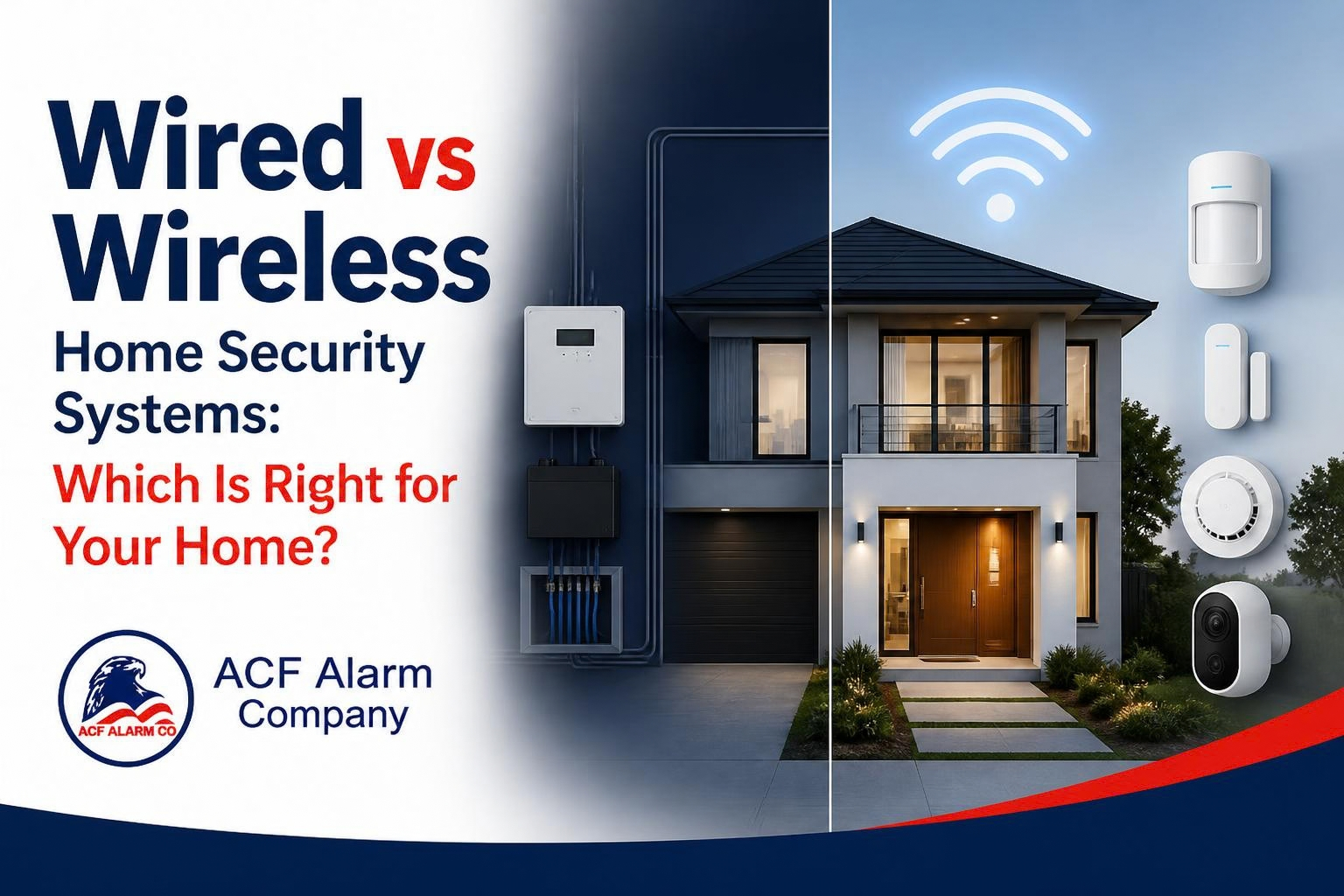
Choosing a home security system often starts with cameras, sensors, alarms, and monitoring. But there is another important decision homeowners need to make: how those devices will communicate.
Wired and wireless security systems can both protect a home, but they differ in installation, maintenance, flexibility, and connectivity. Understanding those differences can help you choose a setup that fits your property instead of simply picking the newest technology.
What Is a Wired Home Security System?
A wired home security system connects components such as door contacts, motion detectors, keypads, and other devices through physical wiring. These wires typically run through walls and connect the devices to a central control panel.
One major benefit is consistent communication between components. Since devices are physically connected, they are not dependent on wireless signals for communication within the alarm system.
Wired systems can make sense for:
- New construction where wiring can be planned before walls are finished
- Larger homes with many security zones
- Properties that already have usable alarm wiring
- Homeowners who prefer a permanent security setup
Installation can be more involved, particularly in an existing home. Running cables through finished walls, ceilings, basements, or other areas may require more labor.
How Does a Wireless Home Security System Work?
A wireless security system uses radio communication between sensors and the main security panel. Depending on the equipment, homeowners may also have access to mobile controls, cameras, notifications, and other smart home security features.
Because extensive wiring is not required between many system components, installation can be less disruptive. Sensors can also be moved or added more easily if the home's security needs change.
Wireless systems are often practical for:
- Existing homes where running new wires would be difficult
- Homes undergoing smaller renovations
- Properties where devices may need to be relocated later
- Homeowners interested in remote security monitoring and connected features
Wireless devices may rely on batteries, so battery condition should be checked as part of regular system maintenance. Some connected features can also depend on network or internet availability.
Wired vs Wireless Security: What Should You Compare?
The choice becomes easier once you look beyond the basic wired-versus-wireless distinction.
Installation Requirements
A wired system generally requires more physical installation work. If the home already has compatible security wiring, however, those existing connections may be useful.
Wireless equipment reduces the amount of cabling needed between components, which can make it a practical choice for finished homes.
Maintenance
Wired sensors generally do not need individual batteries replaced as frequently as wireless devices. Wireless equipment offers greater placement flexibility, but homeowners should pay attention to low-battery and device communication alerts.
Routine testing is important for either setup. ACF Alarm recommends periodically checking alarm panels for warnings such as low batteries, sensor problems, or communication failures.
Connectivity and Security
Wireless technology introduces another consideration: network security. Connected devices and home networks should use strong security settings and protected login credentials. CISA recommends securing home Wi-Fi and changing factory-set usernames and passwords on connected equipment.
Future Changes
Think about what may happen to your home over the next several years. You might add another entrance sensor, security camera, detached garage, or other device.
A wireless setup generally makes adding or relocating devices easier. A properly planned wired system, however, can provide a stable long-term foundation for a property.
Can You Combine Wired and Wireless Security?
Yes. Home security does not always have to be completely wired or completely wireless.
Some residential alarm systems can use existing wired devices while incorporating newer wireless sensors or connected features. This can be useful for homeowners who already have alarm wiring but want updated technology without replacing every component.
A professional assessment can help determine which existing equipment can remain and where new devices should be placed.
Choosing Home Security Systems in St. Louis
Home layout, entry points, existing wiring, internet connectivity, daily routines, and future plans should all be considered before selecting home security systems in St. Louis.
The better question is not simply, “Is wired or wireless better?” It is, “Which setup makes the most sense for this property?”
A security professional can inspect vulnerable entrances, review existing equipment, and recommend the right combination of door and window sensors, motion detectors, alarms, cameras, and 24/7 alarm monitoring.
Find the Right Security Setup with ACF Alarm
ACF Alarm provides residential security systems, professional installation, service, and 24/7 monitoring for St. Louis homeowners. Its local monitoring facility is U.L. Certified and operates around the clock.
Not sure if a wired, wireless, or combination system fits your home? Have your property and current setup evaluated before making the decision.
Contact ACF Alarm to learn more about residential alarm systems and discuss the right combination of security equipment and monitoring for your property.