Alarm Installation vs. Monitoring: Key Differences
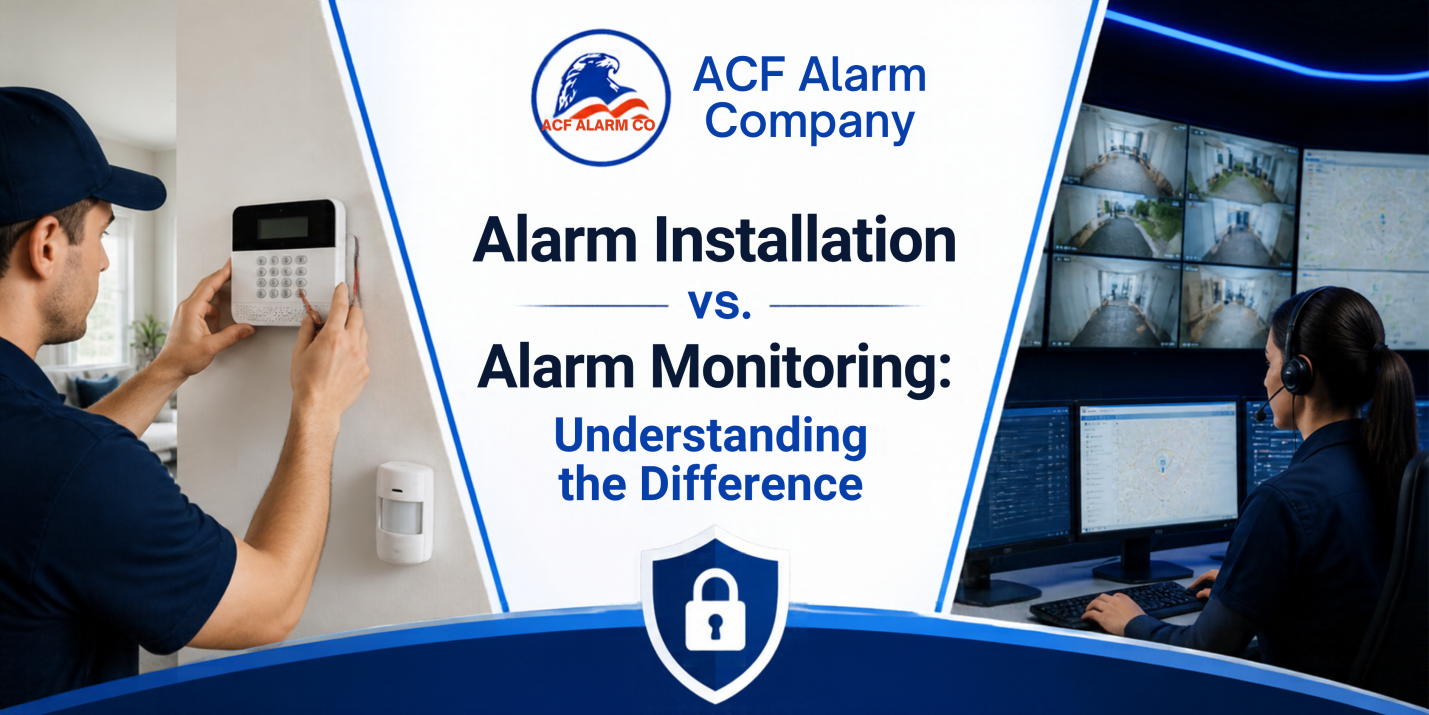
Installing an alarm system is an important step toward protecting your home or business. However, having an alarm installed does not automatically mean someone is monitoring your property around the clock. These are two separate security services, and understanding how they work can help you make better decisions about your property's protection.
Many property owners searching for alarm companies in St. Louis focus on the equipment and installation costs. However, the monitoring service is equally important because it determines what happens after an alarm is triggered.
Let's look at the differences between alarm installation and alarm monitoring, how each service works, and why combining them can provide more complete security coverage.
What Is Alarm Installation?
Alarm system installation involves setting up the security equipment needed to detect potential threats, such as unauthorized entry, intrusion, or other emergencies.
A professional installer evaluates the property, identifies vulnerable entry points, and recommends suitable equipment based on the building's layout and security requirements.
A typical installation may include:
- Control panels: Serve as the central point for managing the alarm system.
- Door and window sensors: Detect unauthorized opening of protected entry points.
- Motion detectors: Identify movement within designated areas.
- Glass break detectors: Recognize sounds associated with breaking glass.
- Alarm sirens: Produce audible alerts during a security event.
- Communication modules: Connect compatible alarm systems to monitoring services.
Professional installation also includes testing the equipment, checking sensor placement, and explaining how to operate the system.
However, installation alone does not necessarily provide a professional response to an alarm event.
What Is Alarm Monitoring?
Alarm monitoring services involve connecting a compatible security system to a monitoring center that receives alarm signals and follows established response procedures.
If a monitored sensor detects a possible intrusion, the alarm system transmits a signal to the monitoring center. Trained operators review the alert and take appropriate action based on the alarm type, available information, and the customer's response instructions.
For example, a monitored intrusion alarm may lead to the following steps:
- A sensor detects suspicious activity.
- The alarm system sends a signal to the monitoring center.
- An operator reviews the signal and follows the verification procedure.
- The operator contacts designated individuals or emergency services as appropriate.
- The event is documented for future reference.
With 24/7 alarm monitoring, security signals can be received even during weekends, holidays, and overnight hours.
Monitoring alarm does not guarantee immediate police dispatch or prevent every incident, but it provides a structured process for handling alerts.
Alarm Installation vs. Alarm Monitoring: Key Differences
|
Alarm Installation |
Alarm Monitoring |
|
Involves setting up security equipment |
Involves receiving and responding to alarm signals |
|
Typically completed during initial system setup |
Provides ongoing service |
|
Includes sensor placement and system testing |
Includes alert verification and notification procedures |
|
Usually involves an installation charge |
Commonly involves a recurring service fee |
|
Supports threat detection |
Supports action after an alarm is triggered |
Both services play different roles in a complete property security system.
Why Alarm Installation and Monitoring Work Better Together
Faster Communication During Emergencies
An unmonitored alarm may sound a siren, but someone nearby must notice the alert and respond. A professionally monitored system can transmit signals to a monitoring center, allowing operators to follow established notification procedures.
Protection Beyond Business Hours
Commercial properties often remain unattended overnight. Combining commercial alarm systems with professional monitoring provides a way to report potential security incidents outside normal operating hours.
Reduced Dependence on Property Owners
With a self-monitored system, property owners may need to review mobile notifications and decide what action to take. Professional monitoring provides an additional point of contact for handling alarm signals, especially during travel, meetings, or other commitments.
Better Long-Term Security Management
Regular system testing, maintenance, and monitoring help property owners identify communication issues, outdated components, and changing security requirements. A properly maintained system is more likely to operate as intended during an emergency.
What Should You Consider Before Choosing an Alarm Company?
Before selecting a security provider, ask a few practical questions:
- Does the company provide both installation and professional monitoring?
- Is the monitoring center operational 24 hours a day?
- What happens if the internet or primary communication connection fails?
- Are maintenance, repairs, and system upgrades available?
- Can the system support additional sensors or monitoring features later?
- What are the installation charges, monthly fees, and contract terms?
Established alarm companies in St. Louis can help property owners assess their security needs and understand the services included in their protection plans.
Choose ACF Alarm for Installation and 24/7 Monitoring in St. Louis
A security system should do more than detect a problem. It should also provide a reliable way to communicate alerts and coordinate a response.
At ACF Alarm, we provide professional alarm installation, maintenance, and 24/7 security monitoring for residential and commercial properties. Our UL-certified monitoring center in St. Louis operates around the clock, receiving alarm signals and supporting established response procedures.
Ready to improve your property's security? Contact ACF Alarm or call 314-869-8500 to discuss your alarm installation and monitoring requirements.