What Is the Difference Between RFID and Biometric Access Control?
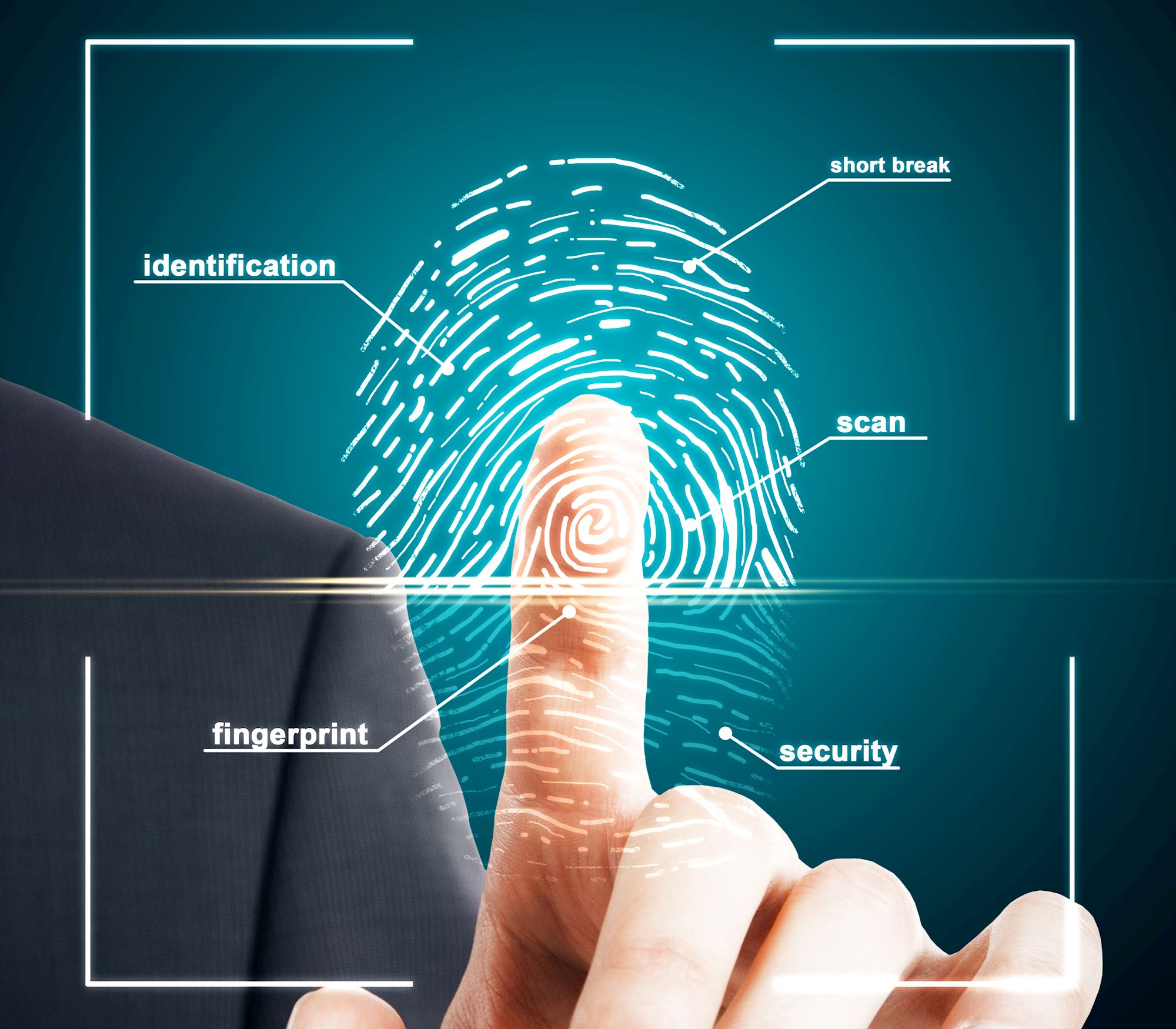
Among the most common solutions are RFID access control and biometric access control. While both are designed to manage building access, biometric technology has gained popularity among businesses seeking stronger identity verification and greater control over facility security.
Understanding the differences between these systems can help organizations choose the right solution for their security needs.
Why Access Control Matters
Traditional keys can be copied, lost, or shared. Modern access control systems provide businesses with a more secure and manageable way to control entry while creating a record of who accessed a building or restricted area.
Today's commercial security systems often integrate access control with video surveillance systems, alarm monitoring services, and intrusion detection technology to create multiple layers of security.
What Is RFID Access Control?
RFID, or Radio Frequency Identification, uses a credential such as a key card, key fob, or mobile device to grant access.
When a user presents their credential to a reader, the system verifies the information and unlocks the door if access permissions are approved.
RFID systems are widely used because they are convenient, affordable, and easy to implement.
Advantages of RFID Access Control
- Quick and convenient access
- Easy credential management
- Suitable for businesses with large workforces
- Can integrate with other security technologies
The Limitation of RFID Systems
While RFID systems are effective, they verify the credential rather than the individual using it.
A lost card, borrowed credential, or stolen key fob can create potential security concerns. For businesses that require stronger identity verification, biometric technology offers an additional layer of protection.
What Is Biometric Access Control?
Biometric access control uses unique physical characteristics to verify a person's identity before granting access.
Instead of relying on a card or key fob, the system confirms who the individual is through biological traits that are difficult to duplicate.
Common biometric authentication methods include:
- Fingerprint recognition
- Facial recognition
- Iris scanning
- Palm recognition
Because these characteristics are unique to each person, biometric systems provide a higher level of security compared to traditional credential-based methods.
Why More Businesses Are Choosing Biometric Access Control
Many organizations are moving toward biometric technology because it addresses one of the biggest challenges in access control: proving that the person entering is actually authorized to be there.
Stronger Identity Verification
A key card can be shared. A fingerprint cannot.
Biometric systems confirm the identity of the individual requesting access, reducing the possibility of unauthorized entry through borrowed or stolen credentials.
No Lost or Forgotten Access Cards
Businesses no longer need to worry about employees losing access cards or requesting replacements.
Employees always carry their credentials with them because the credential is part of their identity.
Better Accountability
Every access event is linked directly to a specific person.
This creates more accurate access records and provides valuable information during audits, investigations, or security reviews.
Improved Protection for Sensitive Areas
Biometric access control is commonly used in:
- Healthcare facilities
- Financial institutions
- Government buildings
- Data centers
- Research laboratories
- Manufacturing facilities
These environments often require stricter access controls due to the sensitive nature of the information or assets they contain.
Reduced Credential Management
Managing hundreds of access cards can become time-consuming.
Biometric systems eliminate many of the administrative tasks associated with issuing, replacing, and deactivating physical credentials.
RFID vs. Biometric Access Control: Key Differences
|
Feature |
RFID Access Control |
Biometric Access Control |
|---|---|---|
|
Verification Method |
Card, fob, or mobile credential |
Fingerprint, face, iris, or palm |
|
Credential Can Be Shared |
Yes |
No |
|
Lost Credential Risk |
Yes |
No |
|
Identity Verification |
Limited |
High |
|
Security Level |
Good |
Very High |
|
Access Tracking Accuracy |
Good |
Excellent |
|
Best For |
General access management |
High-security environments |
The most significant difference is that RFID verifies possession of a credential, while biometric systems verify the identity of the individual.
For businesses focused on stronger security and accountability, biometric technology often provides a clear advantage.
Why Biometric Access Control Works Best with Integrated Security
Access control is most effective when combined with other security technologies.
A biometric system can work alongside video surveillance systems, commercial alarm systems, and 24/7 alarm monitoring to provide a more complete security solution.
For example, if someone attempts unauthorized access, business owners can review surveillance footage, receive alerts, and maintain detailed access records from a centralized system.
This combination creates greater visibility and helps businesses respond more effectively to security incidents.
Why Businesses Trust ACF Alarm
Businesses across the St. Louis area rely on ACF Alarm for security solutions that go beyond basic access control.
ACF Alarm helps organizations implement access control systems that support both RFID and biometric technologies, allowing businesses to choose the level of security that fits their operations.
Our security solutions can be integrated with:
- 24/7 alarm monitoring
- Commercial security systems
- Video surveillance systems
- Remote monitoring solutions
- Intrusion detection systems
- Building security management systems
With decades of experience serving the St. Louis community, ACF Alarm helps businesses create security strategies that support both convenience and stronger protection.
Final Thoughts
RFID and biometric access control systems both play important roles in modern facility security. RFID remains a popular option for organizations looking for convenient access management, while biometric access control provides stronger identity verification and a higher level of protection.
As security threats continue to evolve, many businesses are recognizing the value of biometric technology for protecting sensitive areas, improving accountability, and reducing the risks associated with lost or shared credentials.
Secure Your Business with ACF Alarm
Looking to upgrade your facility's security with advanced access control technology?
ACF Alarm provides professional access control solutions, integrated security systems, and reliable 24/7 alarm monitoring to help businesses stay protected around the clock. Contact us today to know more.